Posts

Showing posts from April, 2023

REGULATORY WRITING – VITAL FOR CLINICAL STUDY
Image
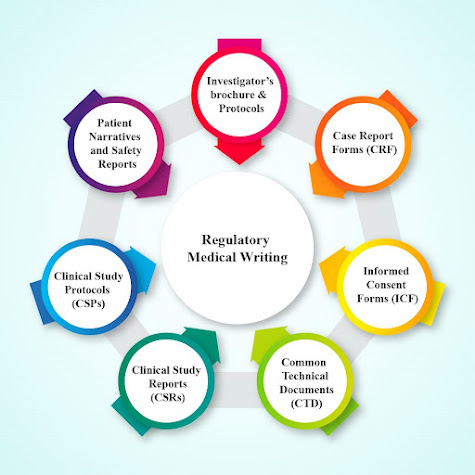
Regulatory writing, a branch of medical writing, is essential for the conduction of clinical trials approved by the higher regulatory authorities. Regulatory medical writing encompasses various clinical documents produced during the various phases of treatment starting from description and documentation of the clinical trials to preparation of the regulatory suggestion documents. Examples of clinical documents applied in regulatory writing are the Common Technical Documents (CTD), Clinical Study Reports (CSRs), Clinical Study Protocols (CSPs), Patient Narratives and Safety Reports. The important national regulatory authorities are: ·          Central Drugs Standard Control organization (CDSCO) (India) ·          Food and Drug Administration (FDA) (United States) ·          Health Canada (Canada) ·          European Medicines agen...

SIX BEST PRACTICES FOLLOWED IN REGULATORY WRITING

Image
  Regulatory writing is the development of preclinical and clinical research proceedings into documents following the guidance standards and description required for validation of a product in the clinical study. Experts from medical and scientific disciplines are generally employed to play this major role. The regulatory writer mainly focuses on writing the technical documents related to clinical trials, their results, background, pre-trial and safety information. Following are the below mentioned good practices essential while drafting the technical documents; ·          Clear information for clinical study The ideas have to be clearly explained and expressed in simple terms so that it is clearly understood by the target audience such as the clinical site staffs, investigators and regulatory authorities. Regulatory writer should have prime focus on the objectives of the clinical study with supported objective evidence. Application and b...